Case Study
Bear Sight Brand Kit
A complete brand identity kit featuring a custom logotype, comprehensive color system, secondary marks, and photography direction.
Problem & Context
Bear Sight needed a complete brand identity system that went beyond a simple logo. The brand required a custom font-based approach, a comprehensive color system, secondary marks and icons, and photography direction guidelines to ensure consistent visual communication across all touchpoints.
The challenge was creating a distinctive visual identity that was flexible enough to work across diverse applications—web, print, environmental, social media—while maintaining strong brand consistency and recognition.
My Role
I developed the complete brand identity system, including custom logotype design, comprehensive color palette and secondary color system, secondary marks and icon development, typography selection and pairing, photography direction, and a detailed brand guidelines document. I worked strategically to ensure every element reinforced the brand's positioning and visual voice.
Design Concept
Brand Strategy & Visual Language
The brand positioning centered on clarity, perspective, and insight. The visual language needed to communicate accessibility, intelligence, and trustworthiness while maintaining a modern, forward-thinking aesthetic.
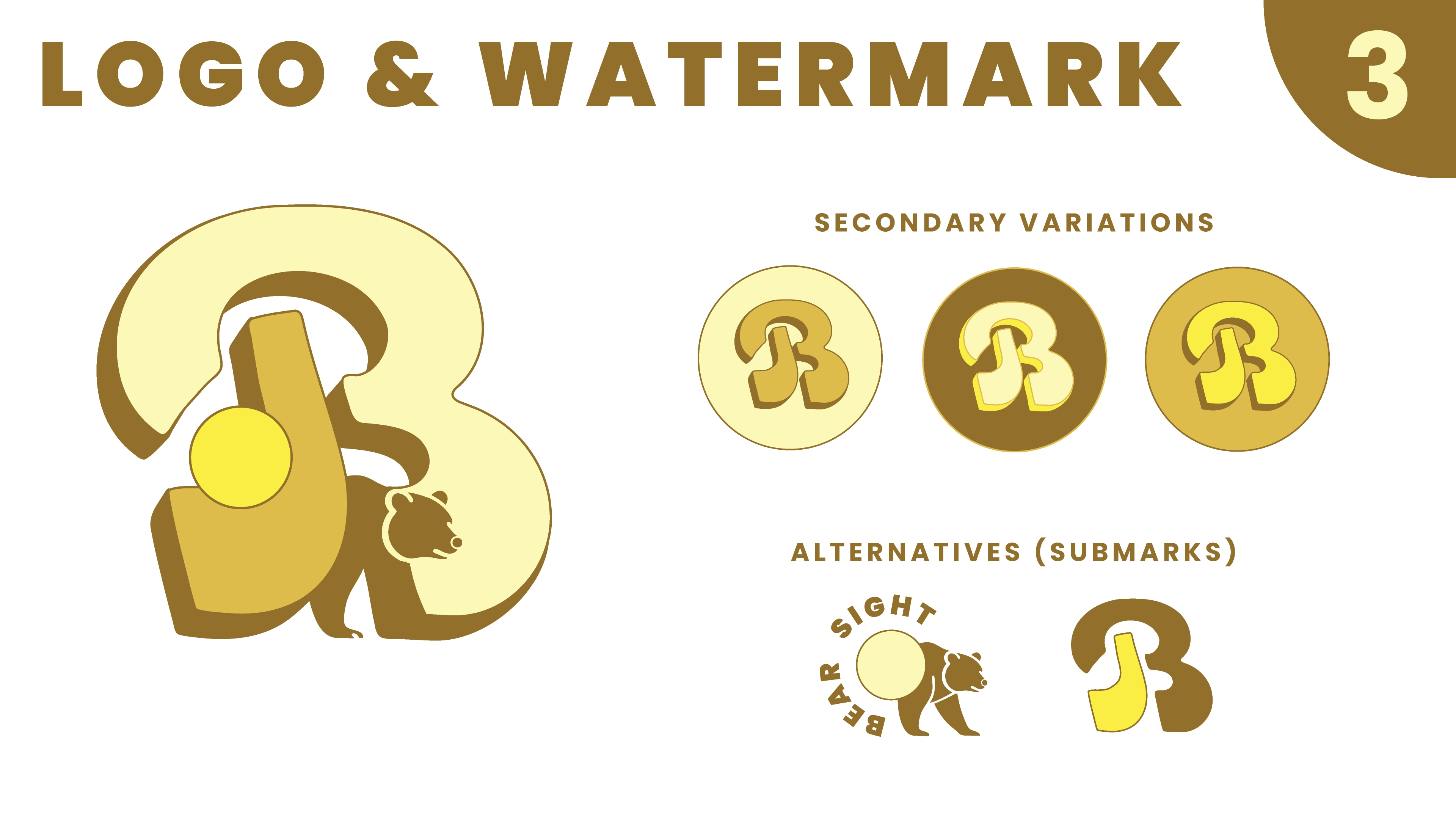
Custom logotype — Font-based approach allowing flexibility while maintaining distinctive character recognition
Color system — Primary and secondary colors that work harmoniously across applications and convey brand personality
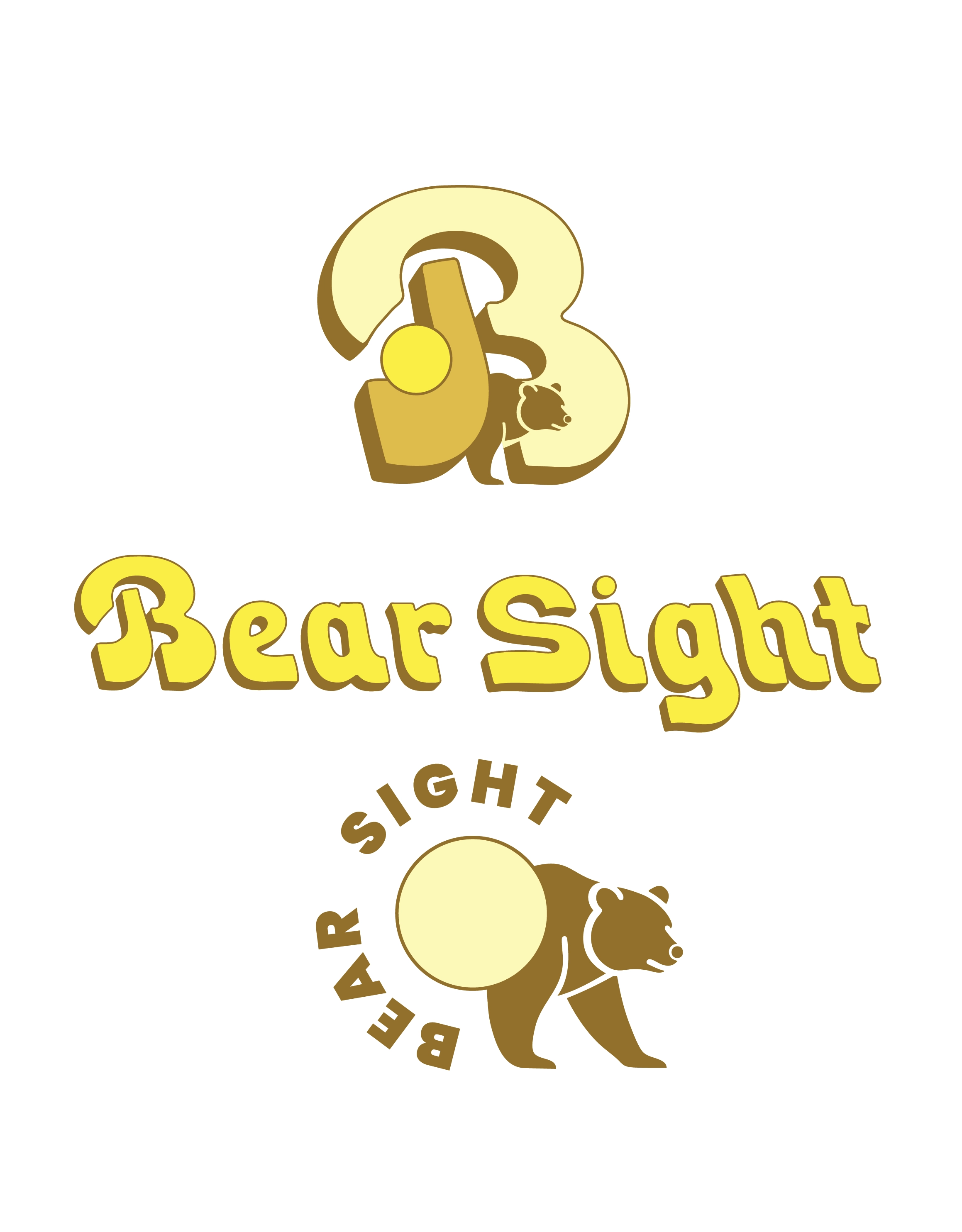
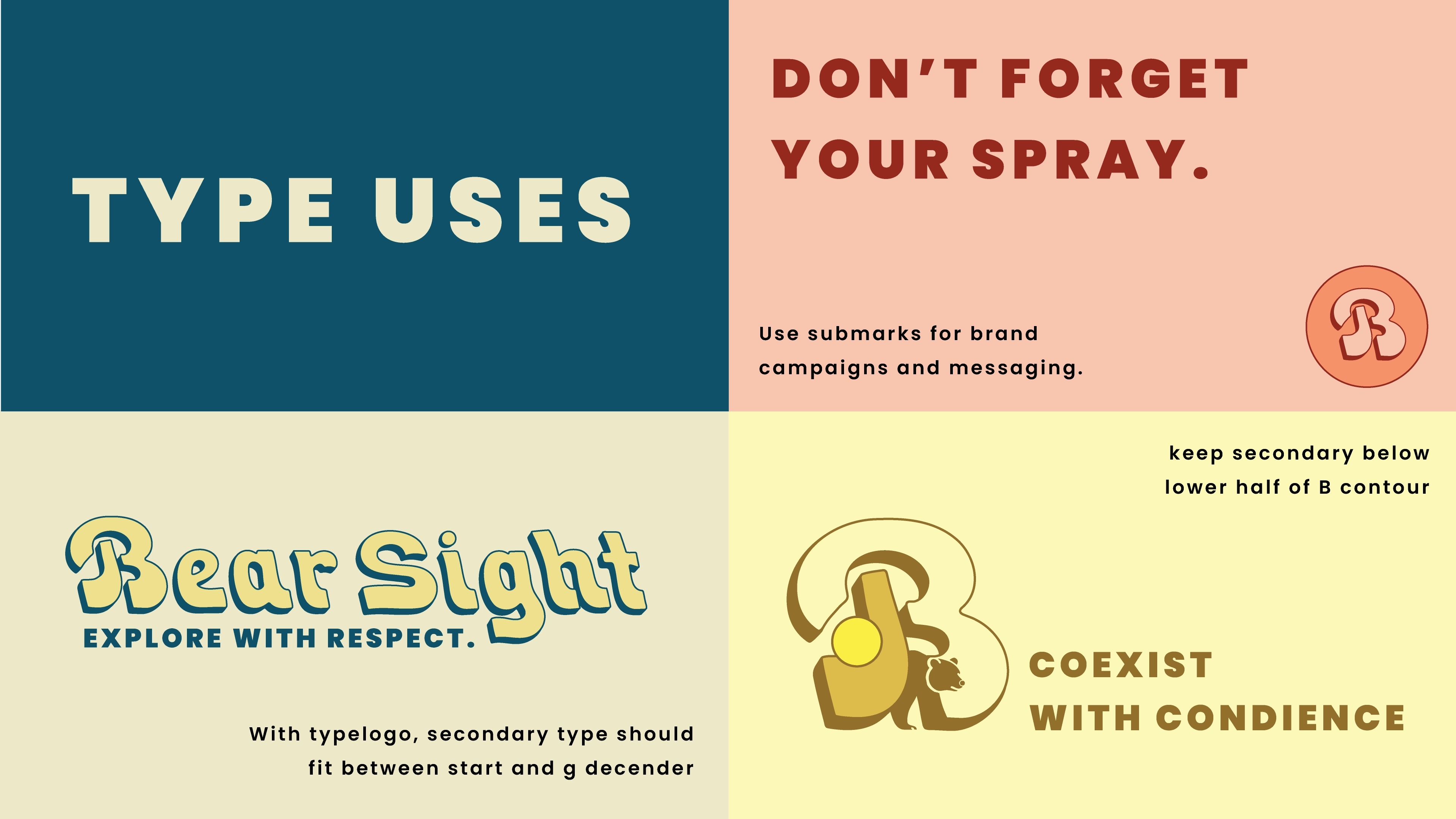
Secondary marks — Icon system and secondary logos for different contexts and applications
Photography direction — Guidelines ensuring visual consistency and brand alignment across imagery
Process
Logotype & Typography System
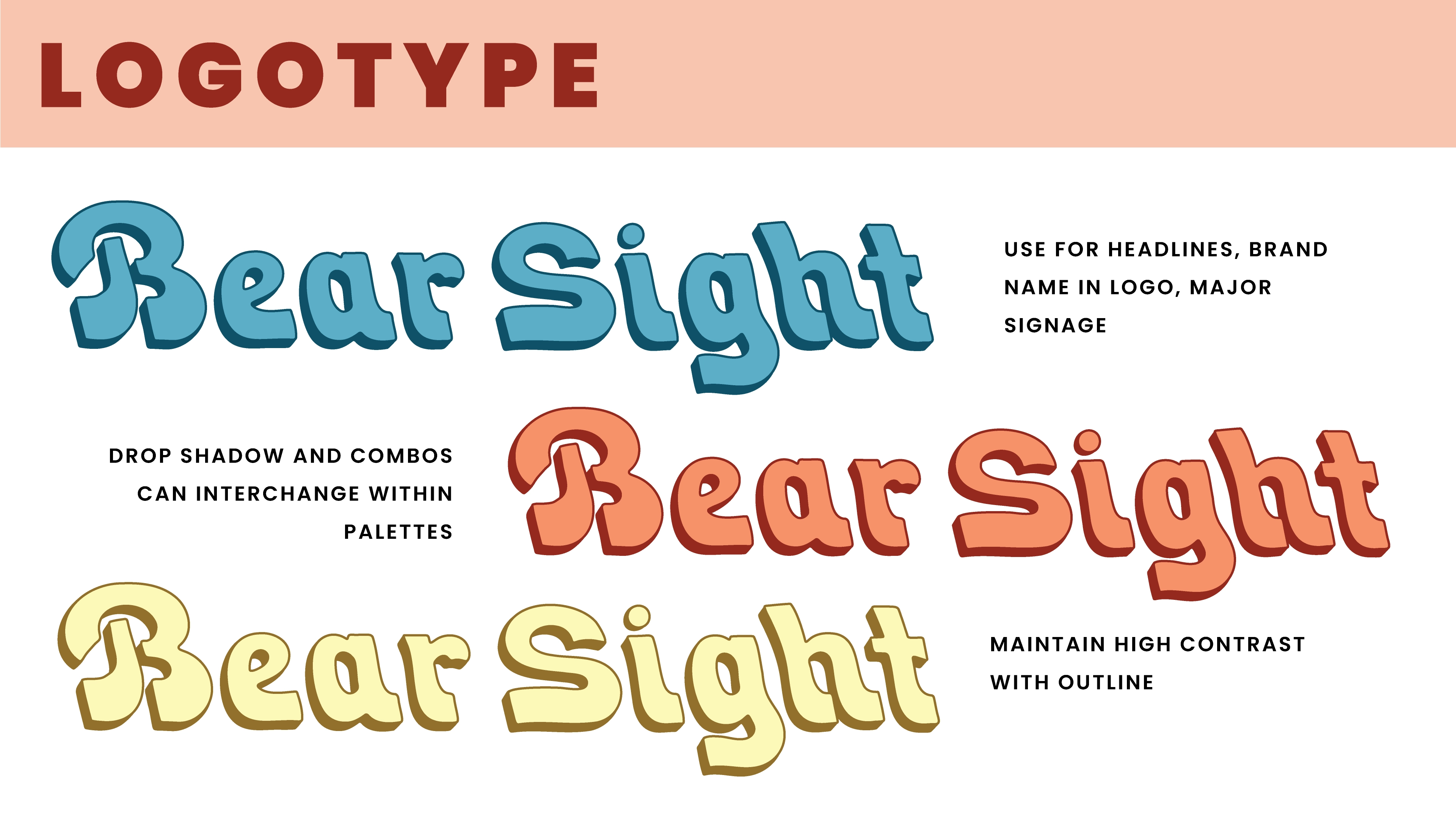
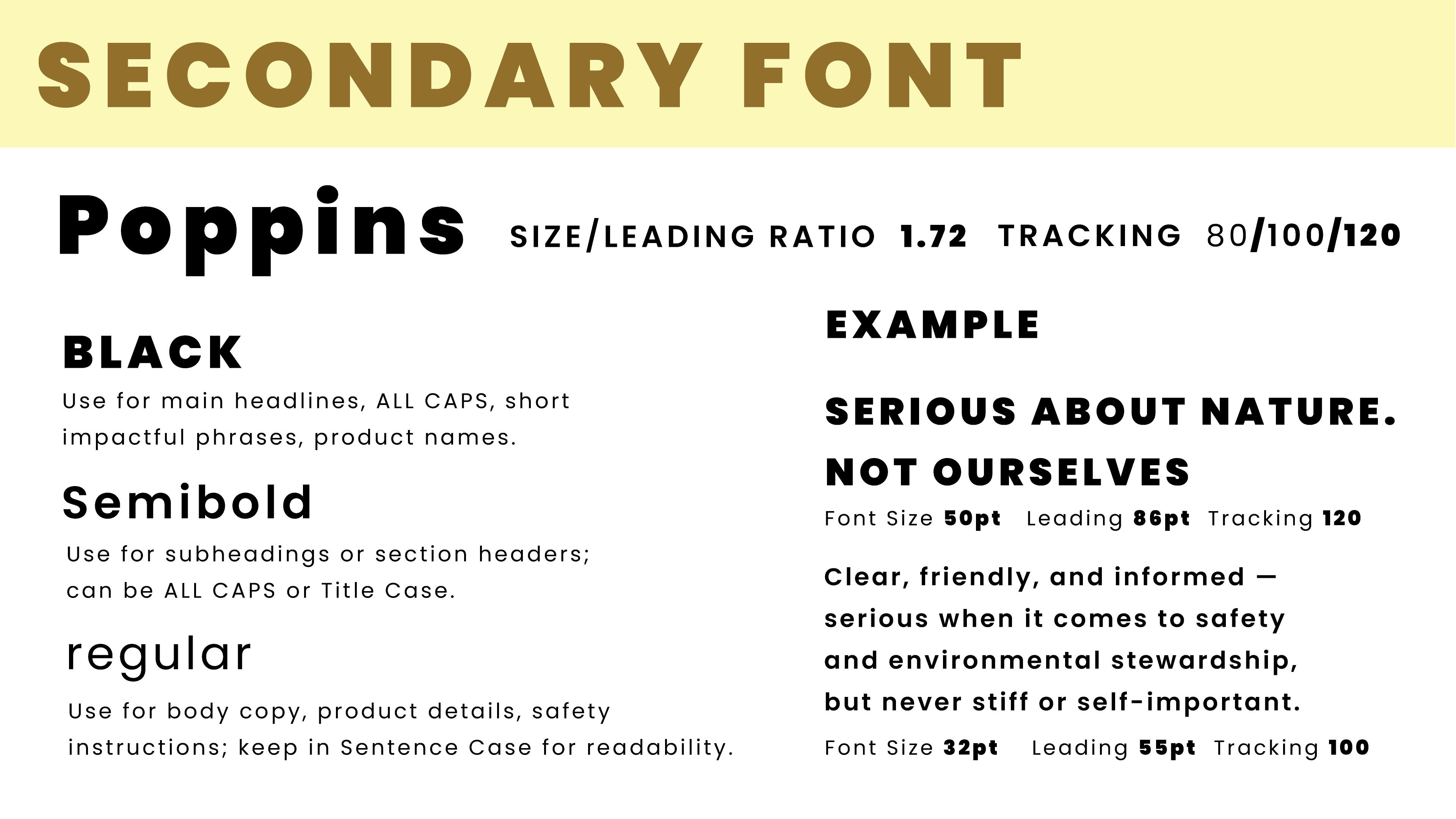
Developed a custom font-based logotype with careful letter-spacing and weight to create a distinctive, memorable mark. Paired with complementary body typography for cohesive visual expression.
Color System & Palette
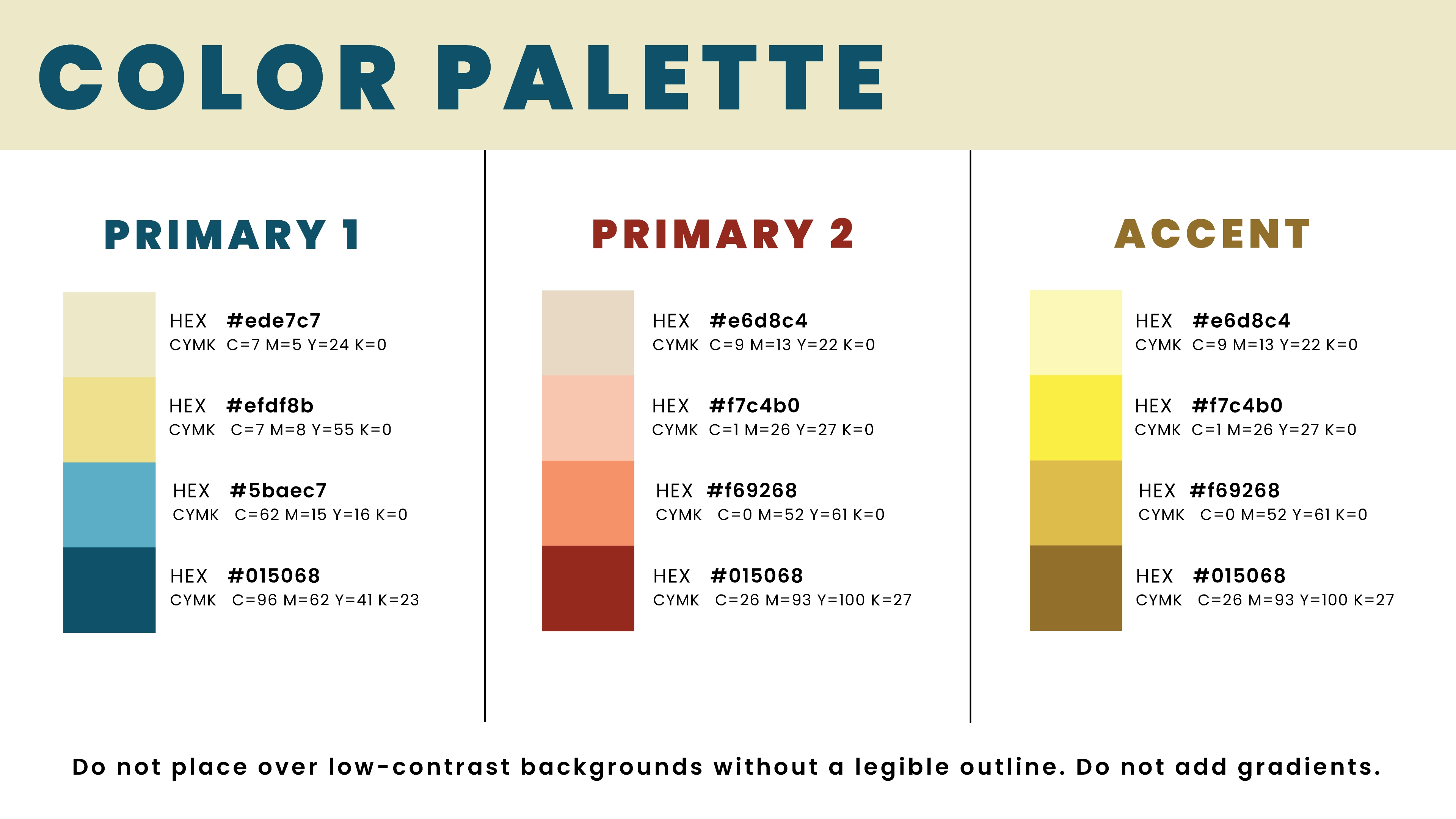
Designed a comprehensive color system with primary brand colors, secondary colors for accents and highlights, and guidelines for color combination and accessibility.
Secondary Marks & Icons
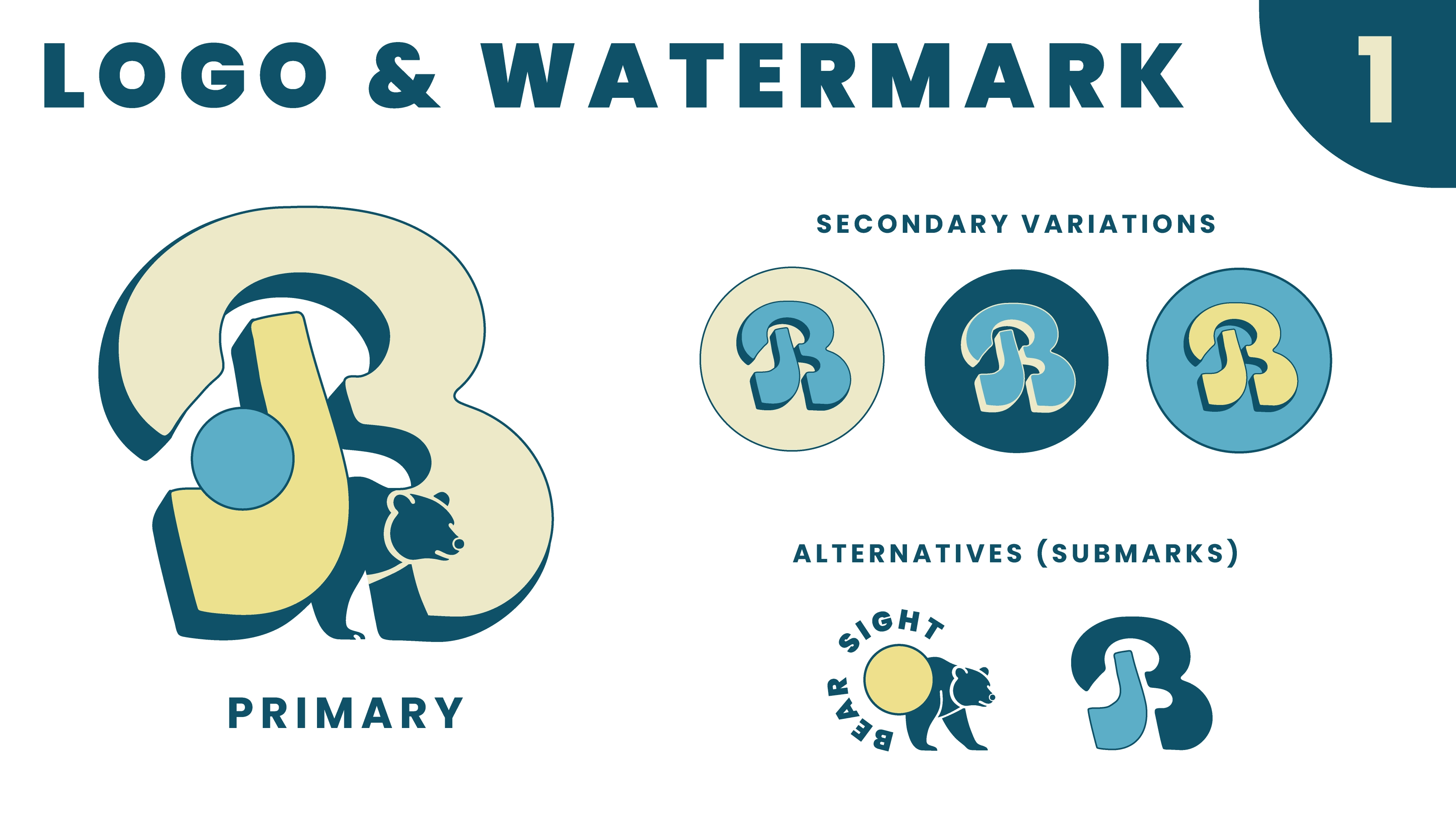
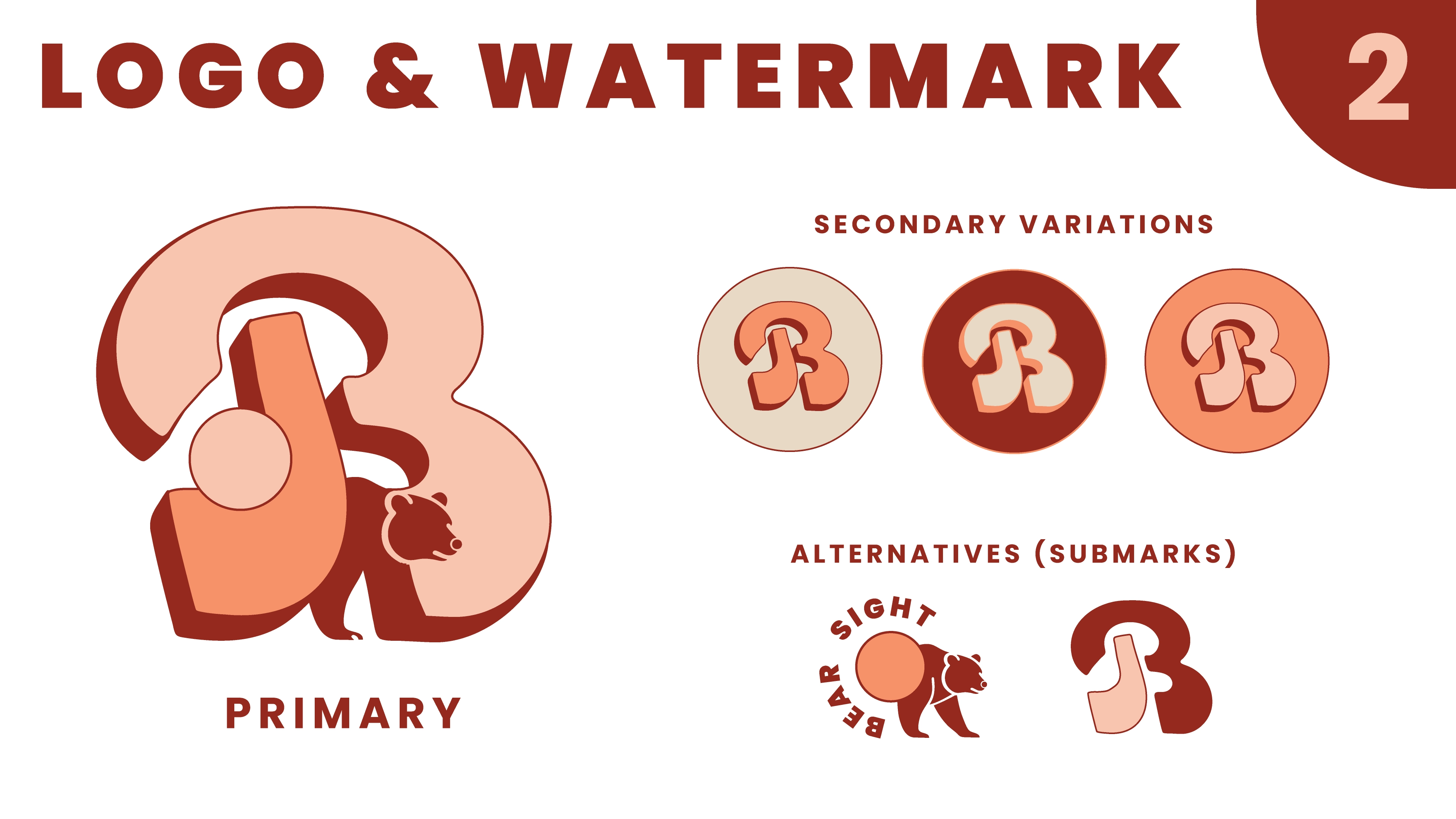
Created flexible secondary marks and an icon system that works at various scales while maintaining the brand's visual language and character.

Layout & Application Systems
Developed comprehensive layout guidelines and application templates showing how the brand works across different formats and media.
Photography Direction
Established visual guidelines for brand photography, including mood, lighting, composition, and subject matter to ensure consistency across all branded imagery.


Outcome & Learnings
Deliverables & Impact
Key Takeaways
Creating a comprehensive brand kit from the ground up requires thinking across many dimensions: custom typography, color theory, icon systems, layout patterns, and even photography direction. The investment in thorough brand guidelines pays dividends by enabling consistent implementation across all touchpoints. The custom logotype approach proved particularly effective—it's distinctive and memorable while the font-based approach provides flexibility for future applications. Perhaps most importantly, this project demonstrated that a truly comprehensive brand identity system includes not just visual assets but clear guidance on how those assets should be used, combined, and applied in different contexts.